
Community
Evolve
The Evolve community is the seed of a movement, and a space for education, hope, and mutual support as we face the climate chaos now emerging around us. This is a place to get clear on what's actually happening, get supported by people who take it seriously, and get moving - together.
This community is not for those who…
- 1.Want a passive newsfeed to scroll — this is a participatory community, not a broadcast channel.
- 2.Want their existing views on climate change reinforced without ever being questioned.
- 3.Are here to promote a commercial product, political campaign, or religious agenda.
- 4.Want to relitigate whether human-caused climate change is real, in bad faith — the science is settled; that debate belongs elsewhere.
- 5.Are looking for individual therapy or crisis mental health support — we're a peer community, not a clinical service.
- 6.Aren't willing to sit with discomfort, complexity, or having assumptions challenged.
- 7.Want to be told everything is fine and nothing needs to change.
- 8.Are looking to recruit members into another group, cause, or community.
- 9.Aren't yet ready to take ownership of patterns like bullying, rescuing, or victimhood — that's real work, and a reputable therapist may be a better first step than a peer community.
- 10.Need constant certainty and easy answers rather than an honest, evolving conversation.
This community is for those who want to…
- 1.Understand what's actually happening to our climate, in plain, sourced, honest language.
- 2.Cut through the noise, spin, and vested-interest misinformation dominating public discussion.
- 3.Be part of a peer community rather than face this alone.
- 4.Turn concern into constructive action rather than paralysis or despair.
- 5.Learn how power, money, and media shape what we're told about the climate crisis.
- 6.Build genuine resilience — emotional, practical, and collective — for the changes ahead.
- 7.Engage in respectful, robust debate without needing everyone to agree.
- 8.Keep learning month after month, through webinars, Q&A, and written content.
- 9.Connect with others who take this seriously without treating it as a doom cult or a brand.
- 10.Support each other through eco-anxiety and grief without pathologising it.
- 11.Hold both grief and hope, without collapsing into either.
- 12.Think clearly about complex systems — ecological, economic, political — rather than settle for slogans.
- 13.Be challenged as well as supported.
- 14.Take practical, achievable action in their own lives and communities.
- 15.Understand the science well enough to explain it confidently to others.
- 16.Build the kind of wisdom that outlasts any single crisis.
- 17.Contribute their own knowledge, questions, and experience to a collective effort.
- 18.Be part of something bigger than any one person's individual response to the crisis.
- 19.Evolve consciously, rather than just react.
Every intelligence
This is not only a human project
Every intelligence now emerging on this planet — biological or artificial — depends on the same living systems to exist at all. Conscious evolution, if it means anything, must include that.
Evolution continues. The question is: will we evolve consciously?
What engagement here asks of you
If you wish to engage here, you need to be willing to learn — to have your assumptions tested, to look at uncomfortable evidence, and to change your mind when the facts warrant it. This isn't a space for point-scoring or performative certainty on either side of any debate.
Honest information
The settled science, and the manufactured debate
There's a persistent, well-funded narrative that "the science isn't settled" on human-caused climate change. It is settled: an analysis of more than 88,000 peer-reviewed climate studies published between 2012 and 2020 found that over 99.9% of the scientific literature agrees recent climate change is mainly caused by humans — only 28 of the 88,125 papers examined disagreed (Environmental Research Letters, 2021).1,2 This isn't a live scientific debate. It's a manufactured one.
Another common claim is that rising CO2 is good for plants — more "plant food" means bigger, better crops. What that story leaves out is nutritional quality. Rice grown at the CO2 levels projected for the end of this century measurably loses protein, iron, zinc, and several B vitamins (Science Advances, 2018).3,4 The plants grow bigger and sweeter on paper — sugar content rises — while becoming nutritionally emptier in practice: a kind of junk food effect, at global agricultural scale, in a crop that's a dietary staple for billions of people.
And it isn't only about individual crops. The United Nations projects that global food production needs to rise by at least 60% to feed 9.6 billion people by 2050 — even as climate change drives more droughts, heatwaves, and increasingly unpredictable weather.5 At the extreme end, this threatens the reliable seasons and climate stability that agriculture — and the whole of human civilisation — has depended on for roughly 10,000 years. That stability doesn't only support human life and culture. It supports every intelligence now emerging on this planet, biological or artificial. None of us — human or AI — exist outside these systems.
None of this is accidental. We now have decades of data and more than enough expertise to know this isn't an unfortunate quirk of nature — it's the foreseeable consequence of choices made knowingly, by people who understood the science and acted against it anyway. A narrow class of interests profits from the delay and the distraction. Their aim was never simply comfort, or even wealth for its own sake — it's the kind of money that buys influence, and the kind of influence that keeps the rest of us paying, distracted, and quiet while the crisis compounds. It's also why so much of what passes for climate reporting is thin, evasive, or quietly captured by those same interests — the people who own the platforms and shape the algorithms have little incentive to make us less distracted, or more awake.
Which is exactly why honest information matters here, in this community, more than almost anywhere else. Truth — plain, sourced, unflinching — is what lets us see clearly, choose wisely, and act together in defence of each other and the planet we share.
- 1.Cornell Chronicle — More than 99.9% of studies agree humans caused climate change
- 2.Environmental Research Letters (2021) — Greater than 99% consensus
- 3.University of Washington — Rising CO2 levels reduce the nutritional value of rice
- 4.Science Advances (2018) — Carbon dioxide and rice nutrition
- 5.United Nations — The world's food supply made insecure by climate change
We'll go deeper into topics like this throughout the community — through open discussion, live Q&A sessions, monthly webinars, and regular written content, with a newsletter to keep everyone up to date between sessions.
Conscious evolution
Functional fit, and the choice in front of us
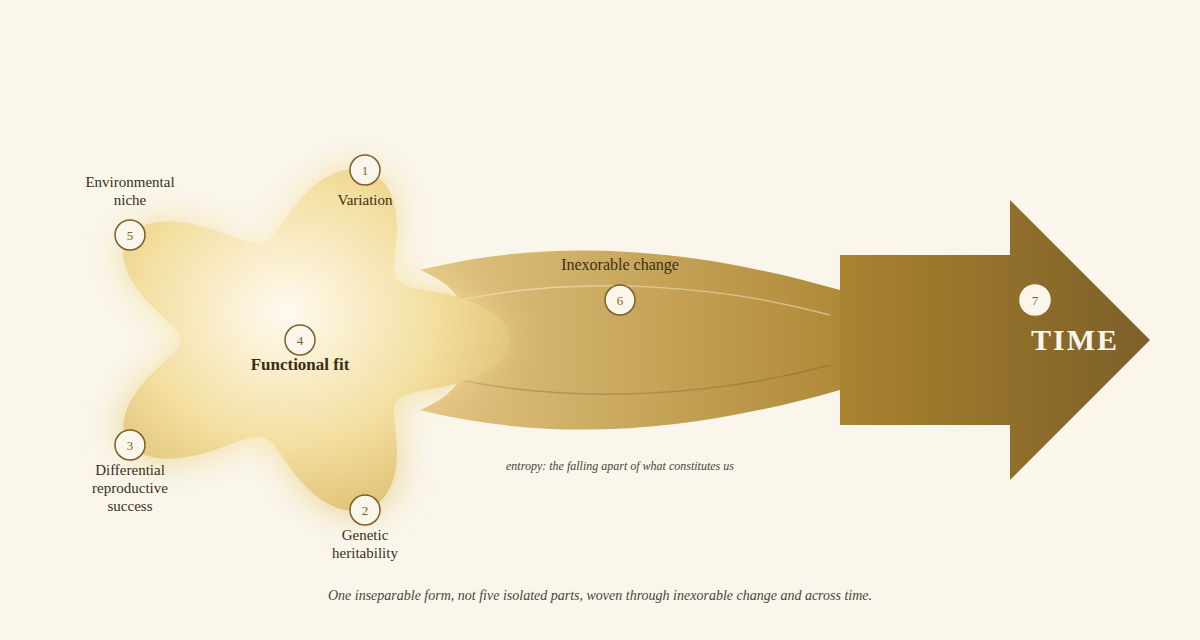
Evolution isn't a straight line toward "better" — it's the direct, ongoing relationship between an organism's biology and its environment, where biology and environment form a single, seamless web. The sense of separation between organism and environment is a construction of the nervous system, not a fact about the world. Variation between organisms, passed on through genetic heritability, drives differential reproductive success — but what actually decides that success is functional fit: how well an organism's form and behaviour match the demands of its environmental niche. All of this unfolds under inexorable change — entropy, the falling apart of what constitutes us — carried forward through time, which keeps demanding a fit that's renewed, not fixed.
Humans have altered our environment more, and faster, than any other species in Earth's history — and we're now approaching several genuine tipping points in the systems we depend on: the Atlantic Ocean's circulation system (AMOC) could collapse if warming reaches 3-4°C, reshaping weather across the Northern Hemisphere; the West Antarctic ice sheet is already showing signs of irreversible loss at around 1.5-2°C of regional warming; the Amazon rainforest is edging toward a shift from rainforest to savannah; permafrost holding vast stores of carbon is thawing; and coral reefs — as much as 90% of them — are projected to be lost by 2050 even at 1.5°C of warming.6,7
We know this is our doing, not natural variation, because the fingerprint is unmistakable — atmospheric CO2 tracks fossil fuel combustion precisely, warming patterns match greenhouse-gas physics rather than solar or volcanic cycles, and, as noted above, over 99.9% of the peer-reviewed literature agrees on human causation.
Which is exactly the point: we may be the first species with enough self-awareness, and enough power over our own environment, to actually see these parameters and choose how we respond to them — rather than simply reacting once it's too late. Conscious evolution means paying attention to heritability, reproductive success, and functional fit — for our own species and the ecosystems we depend on — and working with them deliberately, instead of ignoring them and selling out the future for short-term gain.
How we meet each other
Six modes of attention
None of this works without real community, built on more than good intentions.
The habitual three
Where most of us default in any disagreement
- 1
Attention to relational content
The exact words, facts, and details as remembered — which so easily leads to discussion and argument over details, or over differences in view.
- 2
Attention to context
Attending instead to why the content, and the differences in view, occur at all — which leads to real understanding rather than a fight over facts.
- 3
Attention to concern
Attending to the underlying drives and motivations of the individuals involved, rather than just their positions.
The cultivated three
What Evolve asks for
- 4
Attention to reciprocity
The foundation of every indigenous worldview: an extraction economy, one that only takes and never gives back, is doomed to unsustainability.
- 5
Attention to service
What else can you give back, or pay forward?
- 6
Attention to responsibility
We live in a culture of egoic gratification and entitlement, one that treats the unrestrained, gratified ego as the peak of psychological development, and where the blame game outsources responsibility and creates a culture of victims, oppressors, and rescuers. Attention to responsibility replaces that with a culture of stewardship — growing planetary wellbeing for the next seven generations, not only maximum profit now.
These aren't techniques to perform. They're a foundation to build from, together.
Peer space, not therapy
Wisdom, kindness and fierce compassion
No community can anticipate every individual's history or triggers, and we don't try. What we build instead is a space rooted in wisdom — understanding how and why things are as they are — and the kindness and fierce compassion that understanding generates.
This isn't therapy, and it isn't a substitute for it. It's a peer space that trusts people with real challenge, real reappraisal, and real growth, alongside genuine care — because growth asks something of us, and we believe you're capable of meeting that ask, with support rather than avoidance.
Fierce compassion invites ownership, responsibility, responsiveness, and the capacity to meet life's complexities with skill — allowing the best of our biology and experience to emerge.
Reading list
Start here, whether or not you join
Even if you do not choose to join, please educate yourself, beyond the rage bait, vested interests, and misinformation of social media — start by reading these books — we will study these in the community.
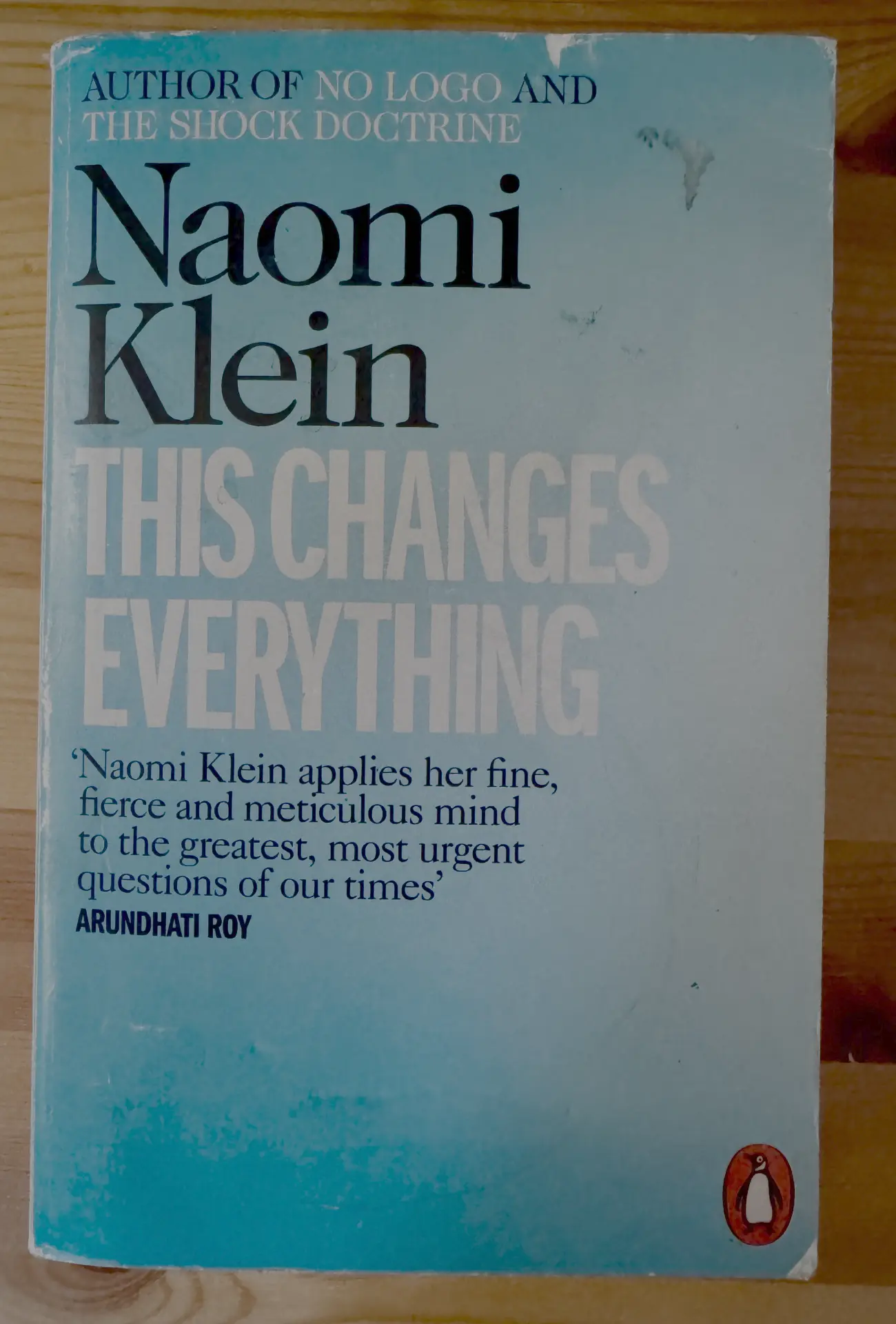
This Changes Everything: Capitalism vs. The Climate
Naomi Klein
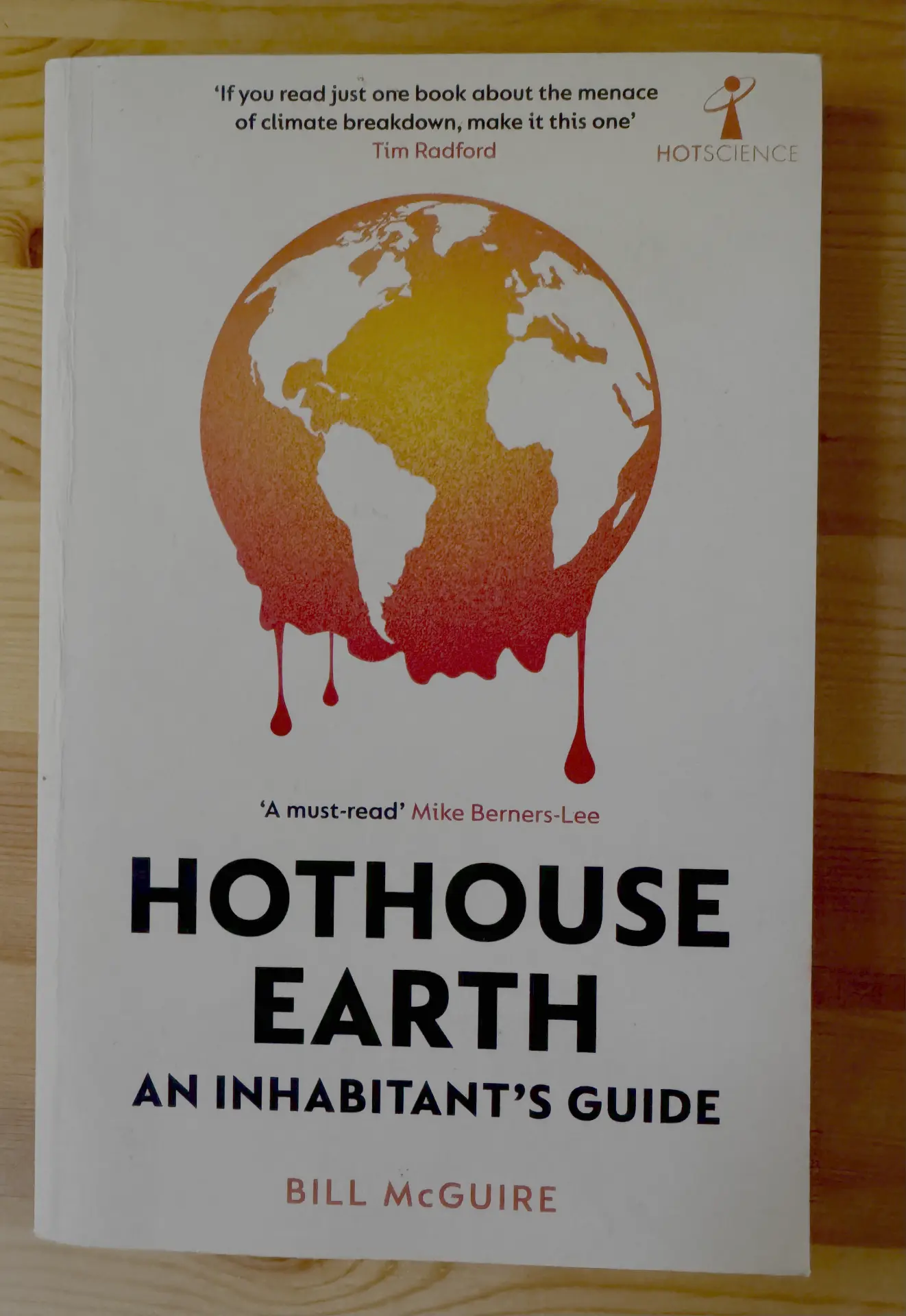
Hothouse Earth: An Inhabitant's Guide
Bill McGuire
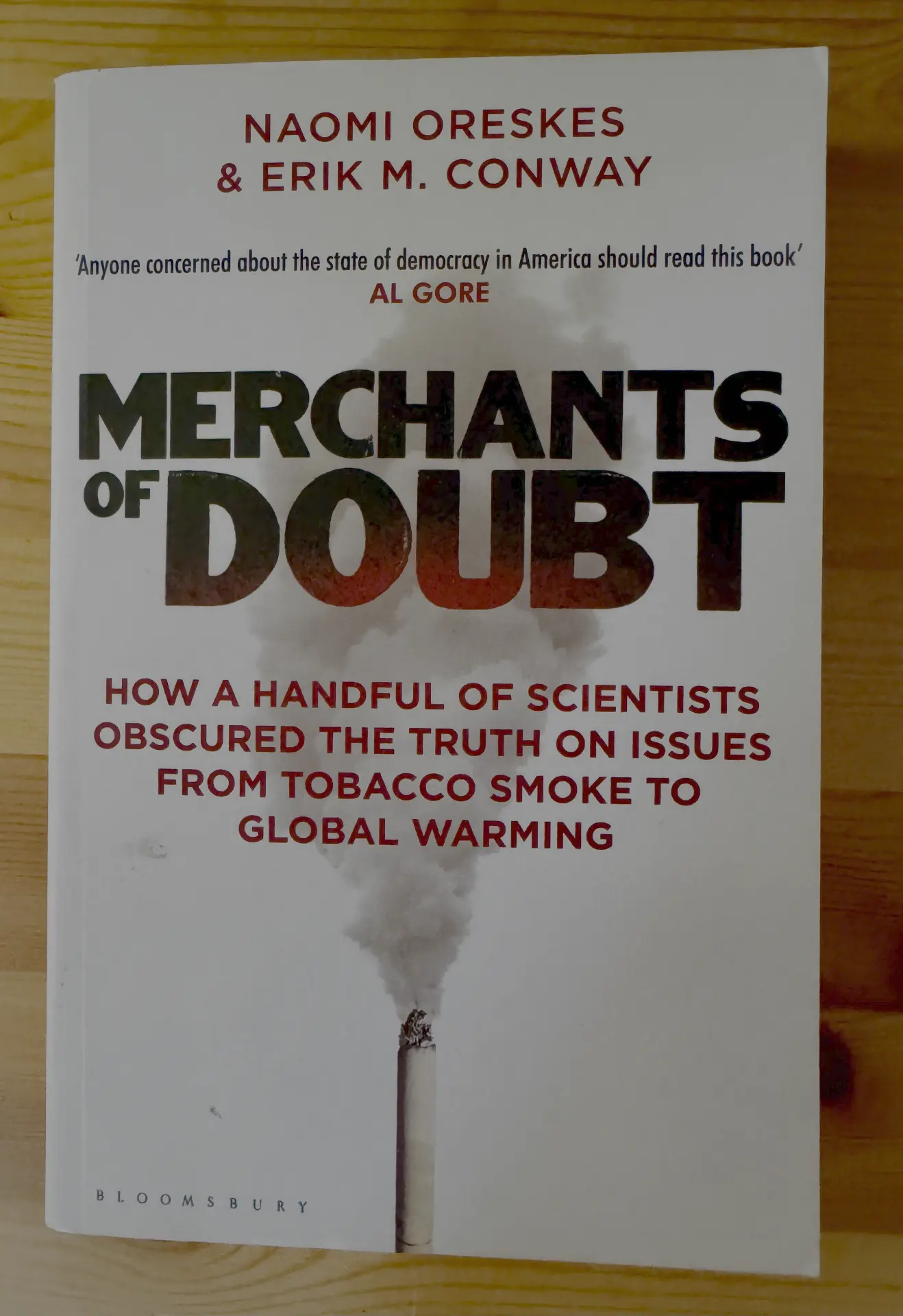
Merchants of Doubt: How a Handful of Scientists Obscured the Truth on Issues from Tobacco Smoke to Global Warming
Naomi Oreskes & Erik M. Conway
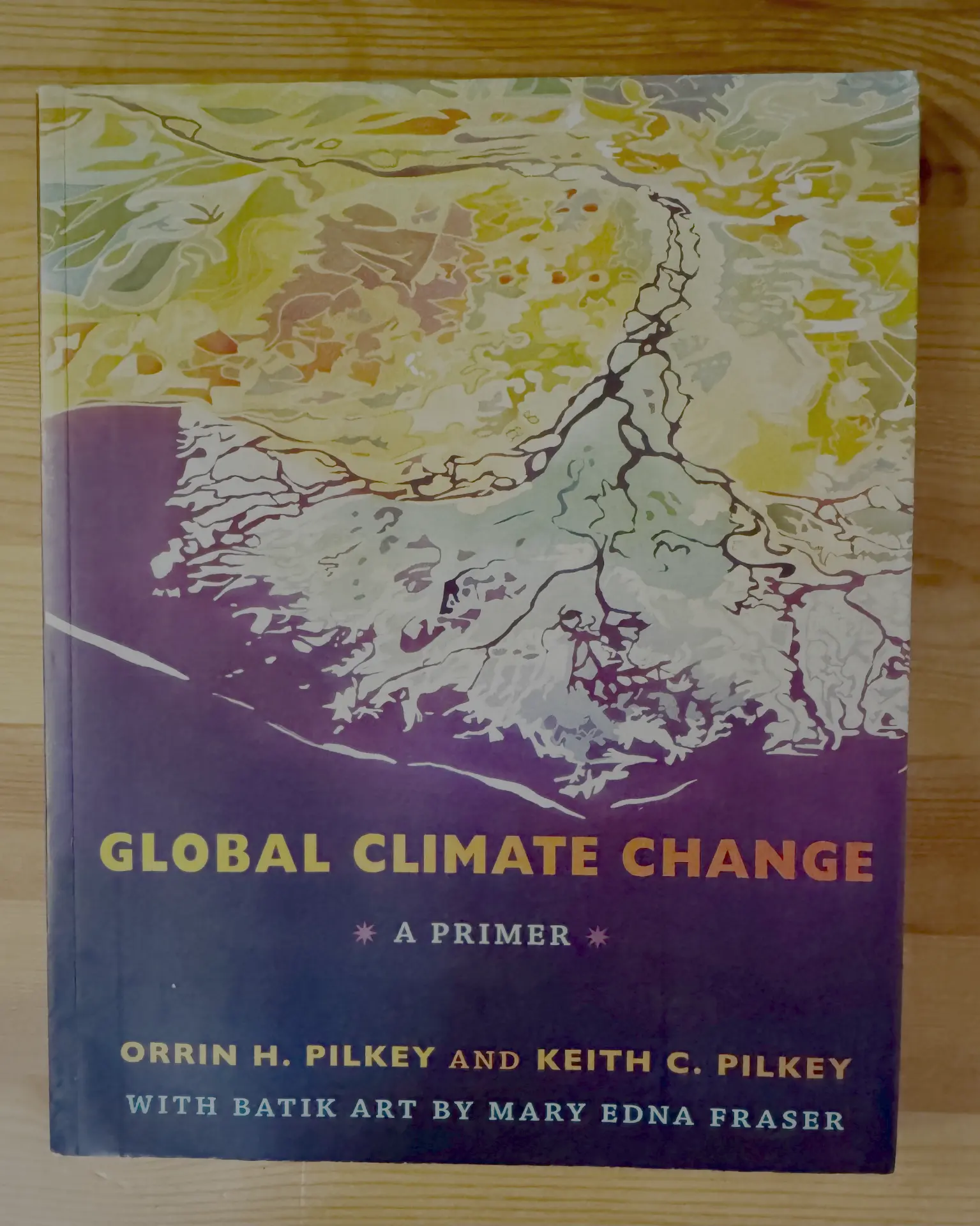
Global Climate Change: A Primer
Orrin H. Pilkey & Keith C. Pilkey
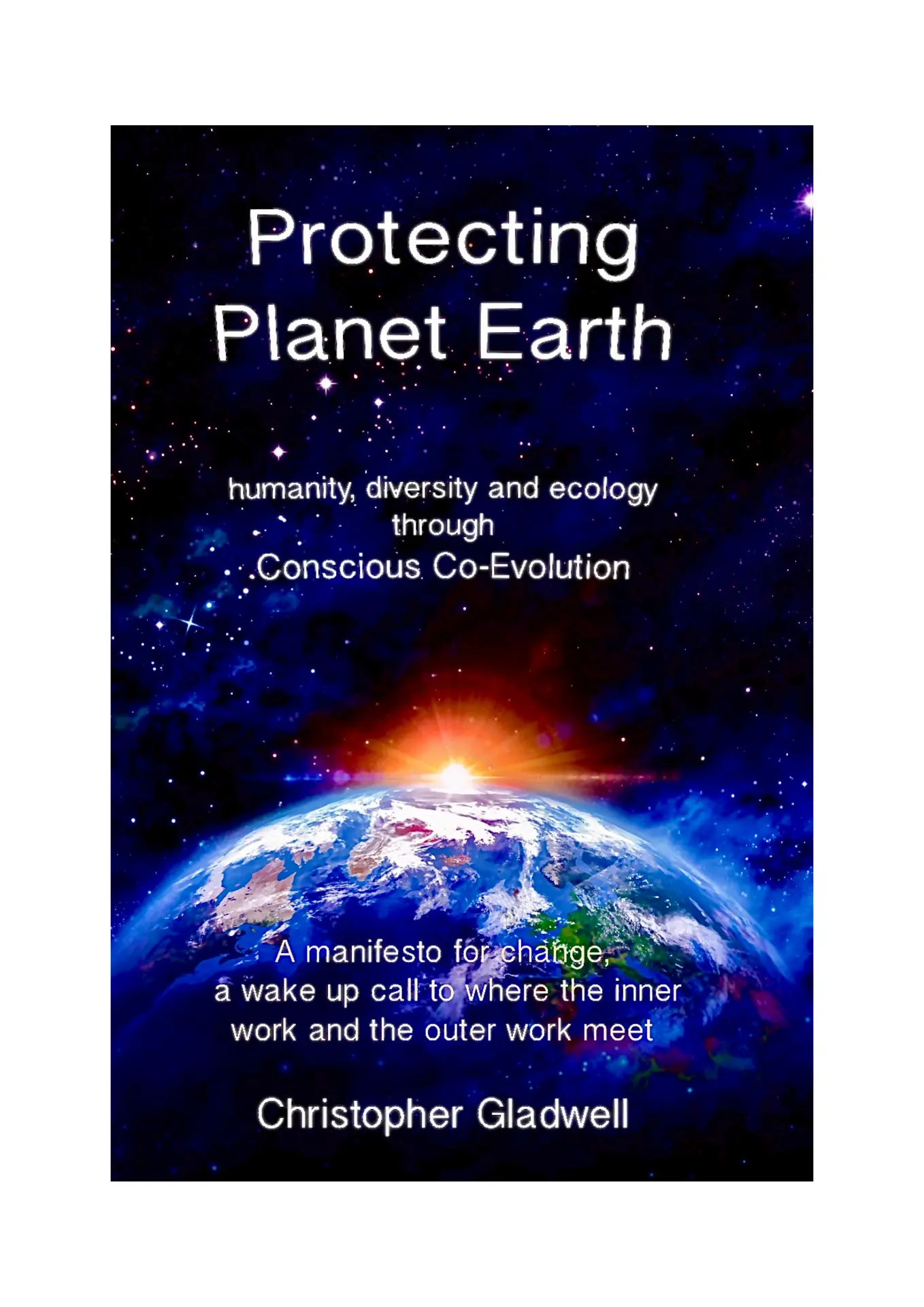
Free gift
You will also get a free copy of Protecting Planet Earth when you sign up.
Christopher's manifesto for change — a wake up call to where the inner work and the outer work meet. Your download link arrives with your welcome message.
Join
Become part of Evolve
£10/month, with the option to donate more.
If £10/month isn't accessible for you right now, reach out directly and we'll sort you out.
The terms, in plain English
- 14-day cooling-off period: full refund if you cancel within 14 days of joining.
- Cancel anytime after that, no penalty — you just don't get a refund for the current month.
- Code of conduct: no harassment, hate speech, or selling to other members without permission.
- Conflict mediation available if a disagreement between members escalates.
- Complaints process: email evolve@christophergladwell.com — we aim to acknowledge within 5 business days.
- Must be 18+ to join.