Pathway
Wild Dharma
Christopher now teaches Wild Dharma
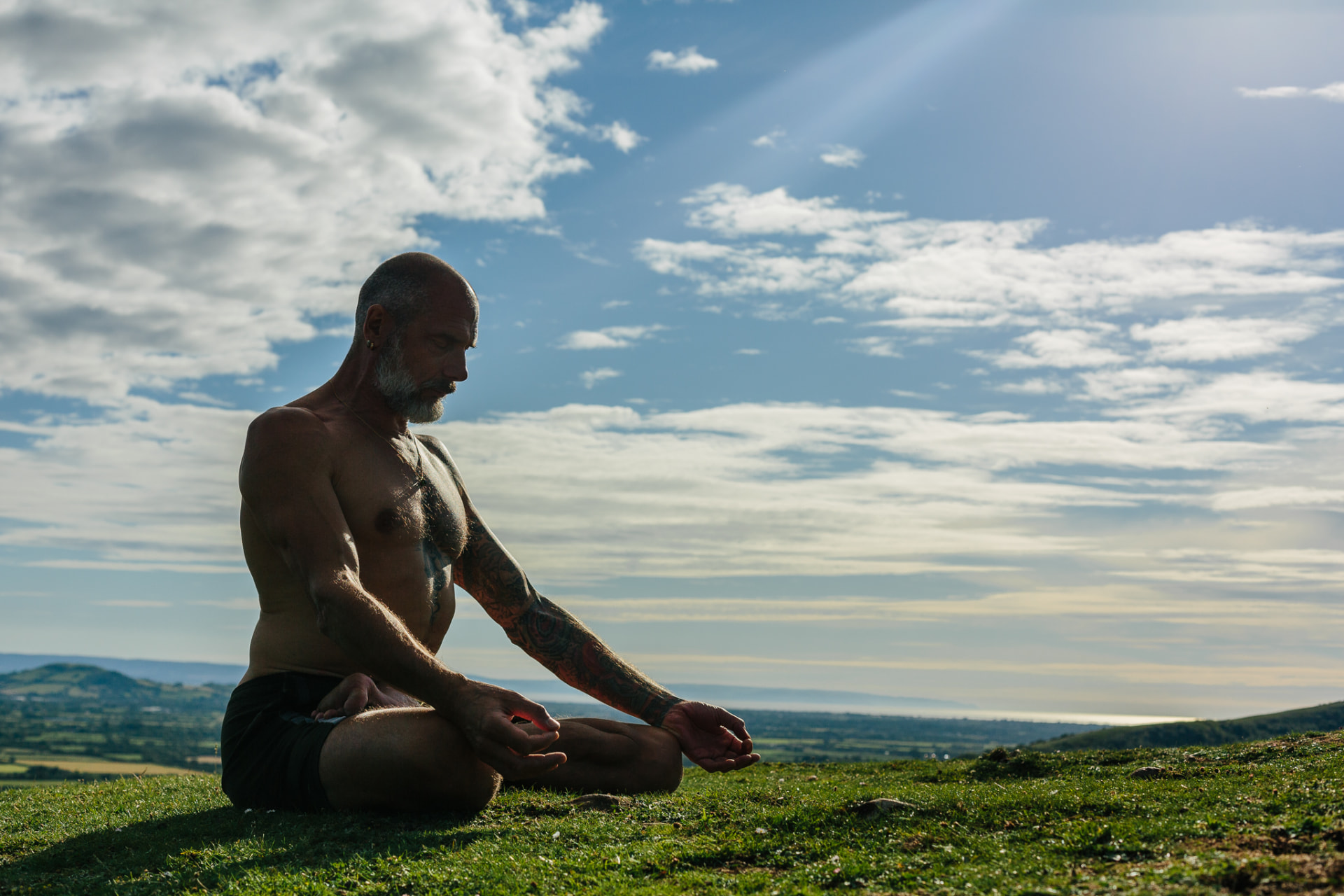
Wild
What does Wild mean?
Wildness, as Jay Griffiths describes it in her profound book, is the elemental and untameable vitality of life, the intrinsic freedom, passion and irrepressible will to flourish that exists in the living world and within the human spirit. To be wild is not simply to be uncivilised or uncontrolled; it is to be fully alive, deeply connected and free to express one's essential nature. Wild is being in touch, and aligned with the laws of evolution, hereditability, reproductive success, appropriate nurturing, and functional fit through both niches and space-time.


Dharma
What is Dharma?
The word Dharma comes from the Sanskrit Dhṛ (meaning to hold and sustain), referring to the way of being, or more precisely the way of inter-being. Dharma is the way, the way of being, living and acting in authenticity, with responsive and responsible agency that is true to one's original nature, responsibilities, and the evolutionary order of reality. Reality is the four forces of physics, evolution, and the continuity of the cosmos and that which precedes and antedates it — as the natural law. Original nature is free, wise, compassionate, connected, aligned, authentic, profoundly kind and life-generous. Dharma can also manifest as the innate justice of karma, the responsive result and consequence of action and reciprocity, and whilst Dharma can also be understood as belief, it needs no belief and no dogma. Dharma is often understood as morality and duty, and it certainly manifests in this way at times, and in certain contexts, yet it is far from this alone. Dharma also transcends ossification into ritual, dogma, and all attempts to control it. Dharma transcends and dissolves dogma, ritual, and control in an infinite renewal of scintillating, spontaneous presence as inter-being, right relationship and heartfelt, awakened living alignment. Where Dharma* is lived, honoured and felt in each and every moment, then evolving and vibrant coherence, and community wellbeing naturally occurs. Dharma is felt at the nameless intersection, the 'infinite heart space' between wisdom & compassion, chaos & order, yin & yang, belief & reality, crisis & opportunity, rights & responsibilities, nihilism & eternalism, monism & dualism, and all polarity.
*Dharma and The Tao are synonymous.

Practice
Classes & Retreats
Classes
tbc
Retreats
tbc
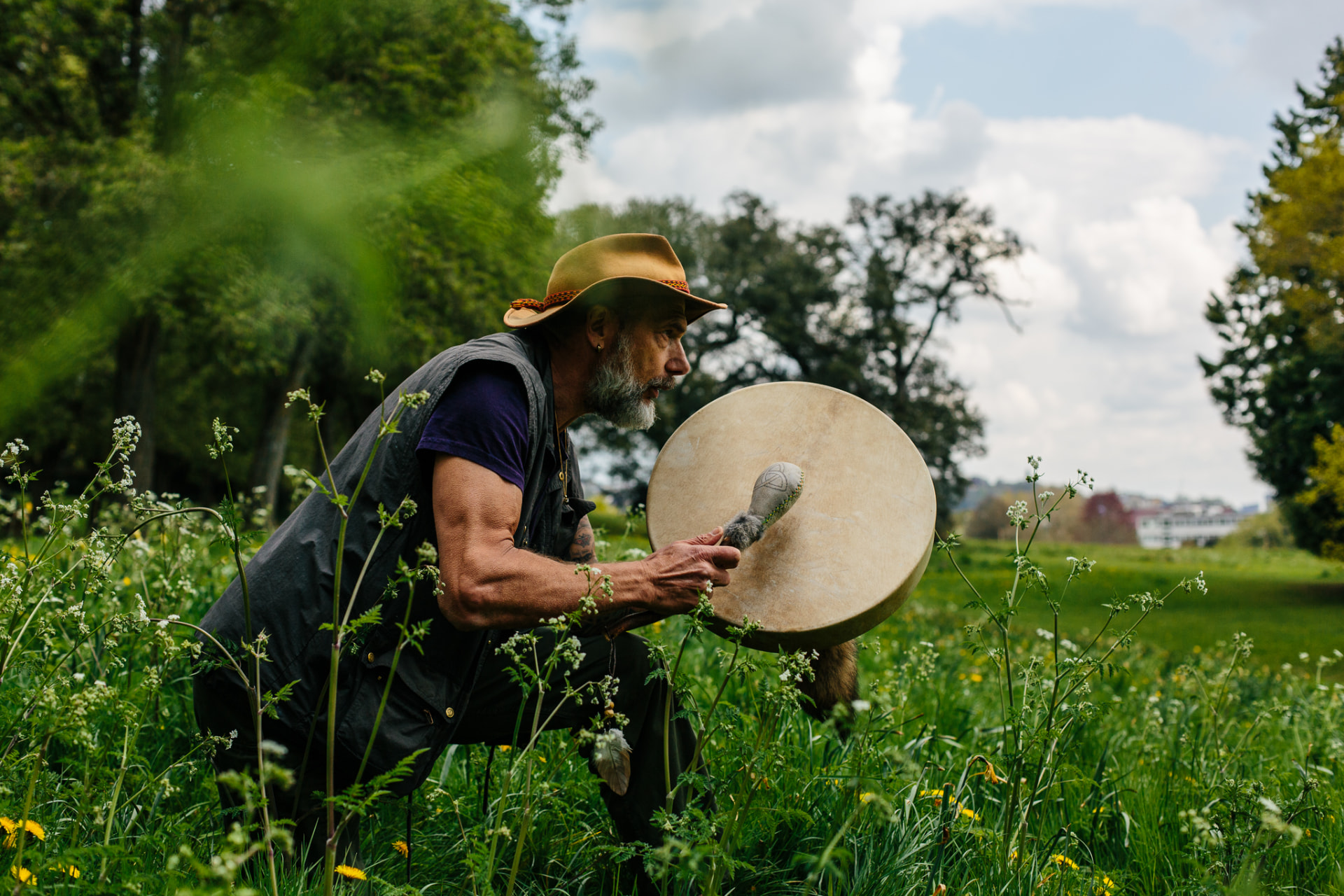
Lineage
Christopher's teachers include
- His parents & growing in a devout Christian home environment & community
- Initiation into the Dasnami Sannyass as Vairagyamurti
- Chief Olujimi Fagbenro-Beyioku
- Swami Pragyamurtiji
- Swami Prakash
- Paramahamsa Satyananda
- Sri K. Pattabhi Jois
- B.N.S. Iyengar
- Richard Freeman
- John Scott
- Venkatesh
- Tsoknyi Rinpoche (who gave pointing out instruction)
- Ngakpa Chang Rinpoche & Khandro Dechen
- Khyentse Norbu
- Mao Tanka
- Rainer Scheurenbrand
- Kuauhtli Vasquez
- Julie Rose
- The Dalai Lama
- Keith Dowman
- James Low
- and many others
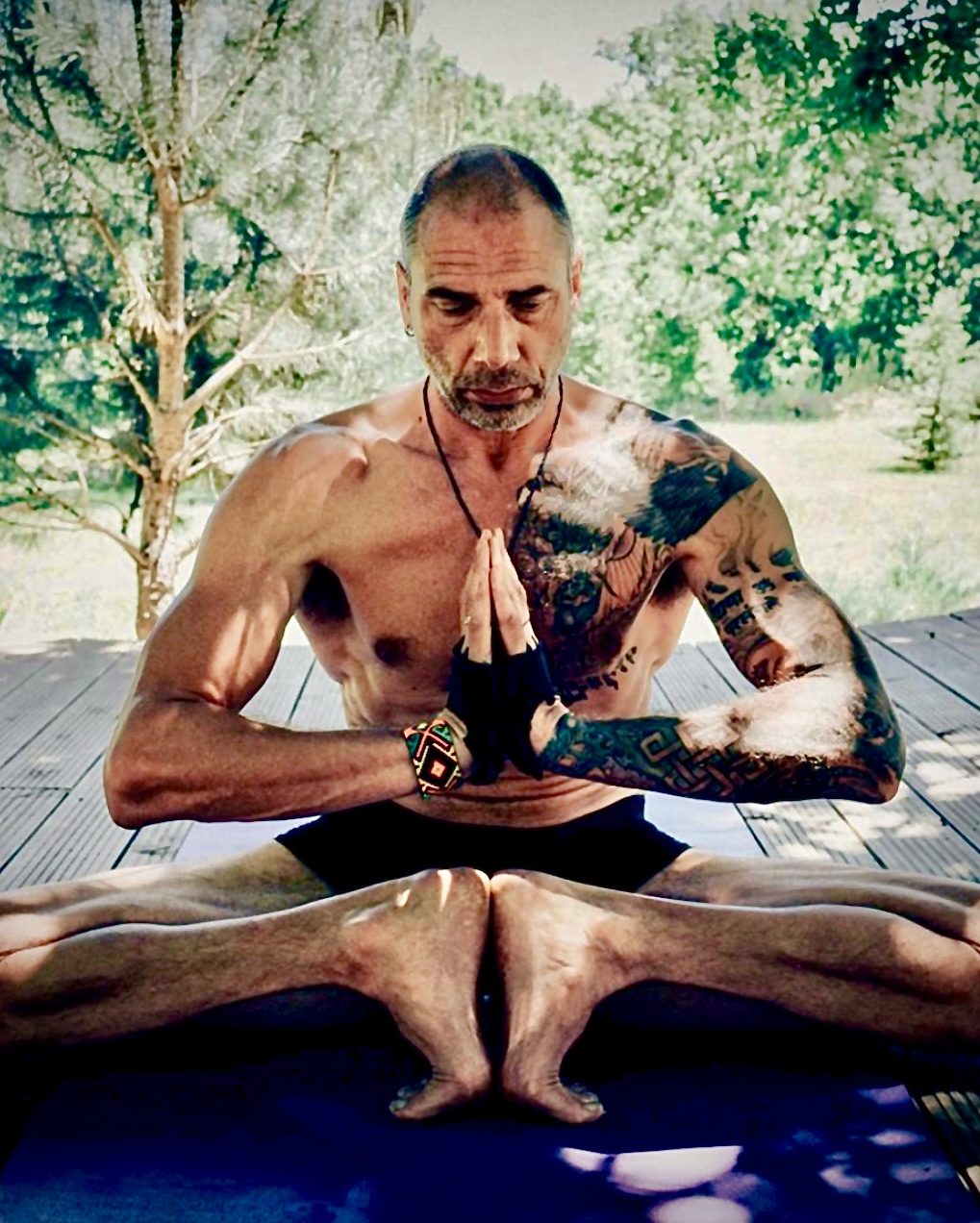
Walk the wild way
Explore the breath, body and mind curriculum while classes and retreats take shape.
Explore the Courses